
Purpose first
What Is the Purpose of a Website for a Small Business?

A site with a job to do
Many owners get a website because they know they should have one, then wonder a year later whether it's doing anything. That's not their fault; nobody asked what it was for. Before a single page is planned, it's worth deciding what the site's job is and how you'll know it's doing it. Those decisions shape everything else: which pages it needs, what each one says, and what you ask visitors to do.
For most service businesses, the answer to what is the purpose of a website comes down to three jobs. It should answer the questions your customers really have, help them decide to reach out, and give them something useful to learn, even if they're not ready to buy. If you're still deciding whether you need a site at all, my article on whether you need a website is a good place to start.
Three jobs
The Three Jobs Every Business Website Has
These three jobs overlap, and a good page usually does all of them at once. Still, it helps to think about them separately, because each one leads to a different kind of success. A site that's great at one and weak at another often explains why owners feel it isn't working, even when it looks fine.
Answer the questions customers really have
A website is successful when it answers the questions your visitors and clients actually ask: what you do, where you work, how the process goes, what it roughly costs, and whether you're someone they can trust. Think of a dentist whose front desk answers the same five questions on the phone every day. When the website answers them clearly, the phone calls that do come in are from people who are ready to book. Writing pages around those questions is the heart of website content writing examples that work.
Help people decide to reach out
The second job is helping a visitor decide to take the next step, whether that's a call, a form message, or a request for a quote. That doesn't mean pushing. It means making the next step obvious, easy, and low-risk, and placing it where a reader naturally arrives at a decision. A site that answers every question but hides the phone number at the bottom of one page is doing the first job and failing the second. Every page should end with a clear, friendly next step, so a reader who is ready never has to hunt for it.
Educate, even when nobody buys today
A website is also successful when it simply teaches a visitor something useful, even if they don't contact you this week. Ask almost any service business owner and they'll tell you about a customer who said "I read your page about this last year." Most people aren't ready to hire on their first visit, which is why education belongs in any answer to what is the purpose of a website. A page that helps them understand their problem builds trust that pays off later, and it moves them a step through the marketing funnel toward the day they are ready.
Here's a simple rule of thumb: if you can't say what a page is for in one sentence, your visitors can't either.

Need a plan, not just more posts?
A simple, clear strategy beats a pile of ideas.
What success looks like
Website Goals Examples: What Success Can Look Like
Success isn't only phone calls. Different businesses, and different pages on the same site, have different goals. Compare an HVAC company that wants emergency calls on hot afternoons with a family law office that wants people to read carefully before booking a consultation. Both sites can succeed, but they'd be judged in very different ways. These website goals examples cover most small businesses.
Signs your website is doing its job
Calls and messages
Phone calls, form messages, and quote requests from the site.
Better-fit inquiries
People who contact you already understand what you do and how you work.
Fewer repeat questions
Staff spend less time answering the same things on the phone.
Visits and directions
People finding your location, hours, or service area.
Pages read
Visitors spending time on service pages and articles, not leaving at once.
Being found
Showing up for the searches your customers actually make.
Trust after a referral
Someone recommended you, checked your site, and still called.
Notice that some of these are easy to count and some aren't. A form message shows up in your inbox; trust after a referral mostly shows up as a customer saying "I looked you up first." Both matter, and both are part of the honest answer to what is the purpose of a website for your business. It helps to ask new customers how they found you, and to write down what they say, because that tells you things no report can.
Before you build
Setting Website Goals and Objectives Before You Build
Setting website goals and objectives doesn't need a spreadsheet. Start with who the site is for, which my guide to defining your target audience walks through. Then pick one or two main things you want visitors to do, and a few signs that will tell you it's working. Write them down before the build begins, so the pages can be planned around them rather than judged against them later.
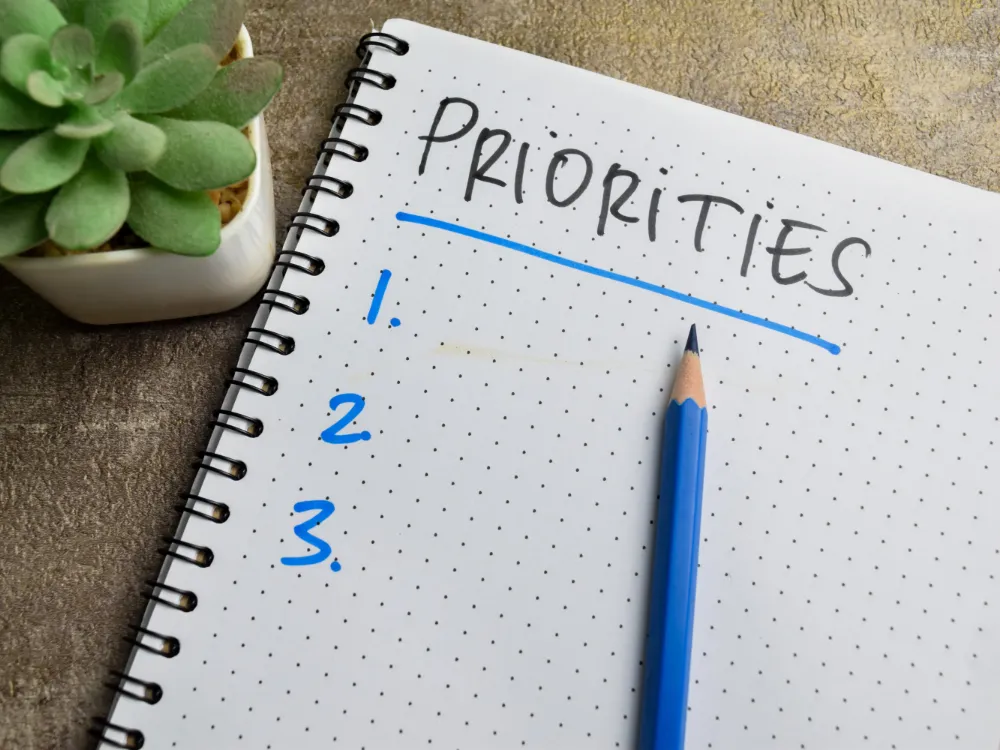
Then measure what you can. Every new website I build comes with visitor tracking set up, and I explain in plain English what it shows: how many people visit, where they come from, and which pages they read. Google Analytics can also count specific actions, such as form messages, as key events. The point isn't to stare at numbers every day. It's to check every month or two whether the site is moving toward the goals you set.
The honest answer
So, What Is the Purpose of Your Website?
For most small businesses, the purpose of a website is to answer customers' real questions, help them decide to reach out, and teach them something useful along the way. Success is any sign that it's doing those jobs: calls and messages, better-fit inquiries, fewer repeat questions, and visitors who come back. So when someone asks what is the purpose of a website, the best answer is the one you've written down for your own business. Decide which ones matter most for your business before the site is built, and you'll know what to look for long after it launches.
If you're not sure what your website should be doing, I'm always happy to talk it through. Tell me about your business and your customers, and I'll help you work out what the site's main jobs should be and how to tell when it's doing them. You can start with a free, no-pressure conversation whenever you're ready.
Still not sure where you stand?
Let's talk it through. No pressure, no sales pitch, just an honest look at what makes sense for your business.
Start a ConversationKeep reading
Who Is My Target Audience?
Decide who the site is for before deciding what it should do.
Read the article